Mastering SEO with Infographics: A Visual Guide to Search Engine Optimization
Search Engine Optimization (SEO) is a critical component of digital marketing, helping websites rank higher in search engine results pages (SERPs). While SEO strategies often involve technical adjustments and content optimization, visual tools like SEO Infographic can significantly enhance understanding and implementation. This article explores how SEO Infographic elements can be used effectively in various design projects to improve both user engagement and search visibility.
The Role of Infographics in SEO Strategy
Infographics are not just visually appealing; they are powerful tools for conveying complex information in an easily digestible format. When it comes to SEO, infographics serve multiple purposes. They can simplify intricate concepts, make data more accessible, and even boost backlinks when shared on social media or embedded on other websites.
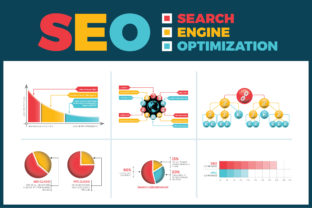
One of the key benefits of using an SEO Infographic is its ability to break down technical SEO elements into digestible visuals. For instance, an infographic explaining keyword research can include a visual representation of keyword clusters, search volume, and competition levels. This makes it easier for users—especially those new to SEO—to grasp the fundamentals without getting lost in jargon.
Moreover, infographics can be integrated into blog posts, landing pages, and social media content to increase page dwell time and reduce bounce rates. Search engines favor content that keeps users engaged, and well-designed SEO Infographic elements can contribute significantly to this goal.
Why Use SEO Infographic Elements?
- Enhanced User Experience: Infographics provide a quick overview of information, making it easier for users to scan and understand content.
- Improved Shareability: Visually engaging content is more likely to be shared across platforms, increasing brand visibility and driving traffic.
- Increased Backlink Opportunities: High-quality infographics can attract backlinks from other websites, which is a crucial factor in SEO success.
- Support for Long-Form Content: Infographics complement detailed articles by offering a visual summary, enhancing the overall value of the content.
- Adaptability Across Platforms: Whether used in presentations, reports, or promotional materials, SEO Infographic elements can be customized to fit different design needs.
Designing Effective SEO Infographics
Creating an effective SEO Infographic requires careful planning and attention to detail. Here are some essential considerations for designing impactful SEO-related infographics:
1. Define Your Purpose and Audience
Before starting the design process, it's important to determine the purpose of your SEO Infographic. Are you aiming to explain a specific SEO technique? Or are you providing a comprehensive overview of SEO best practices? Understanding your audience will also help tailor the content and style of the infographic. For example, a beginner-friendly infographic might use simpler language and icons, while a professional audience may appreciate more detailed charts and graphs.
2. Choose the Right Tools and Templates
There are numerous tools available for creating infographics, including Adobe Illustrator, Canva, Visme, and Piktochart. For those who prefer vector-based designs, SEO Infographic elements in EPS format offer flexibility and scalability. These templates can be edited and customized to match your brand identity or project requirements.
When selecting a template, consider factors such as color schemes, layout options, and compatibility with your design software. Modern and fresh color palettes are popular choices, but you can always adjust them to suit your preferences or brand guidelines.
3. Focus on Clarity and Simplicity
A well-designed SEO Infographic should be clear and easy to understand at a glance. Avoid cluttering the design with too much text or unnecessary graphics. Instead, focus on highlighting the most important information through concise bullet points, charts, and diagrams.
Use consistent fonts and colors throughout the infographic to maintain visual harmony. Incorporate icons and illustrations where appropriate to reinforce key points and make the content more engaging.
4. Include Data and Examples
Data-driven infographics are particularly effective for SEO topics. Including statistics, case studies, and real-world examples can add credibility to your content and make it more relatable to your audience.
For instance, an SEO Infographic about on-page optimization could feature a comparison of optimized versus unoptimized pages, along with metrics like bounce rate, dwell time, and click-through rate (CTR).
Applications of SEO Infographic Elements
The versatility of SEO Infographic elements makes them suitable for a wide range of applications. From educational materials to marketing campaigns, these visual tools can be adapted to meet various needs:
1. Educational Resources
Students, educators, and professionals can benefit from SEO Infographic elements that simplify complex SEO concepts. These visuals can be used in classroom settings, online courses, or training materials to help learners grasp fundamental principles quickly.
2. Marketing Campaigns
Marketers can leverage SEO Infographic elements to create compelling content for social media, email newsletters, and website banners. These visuals can highlight key SEO tips, trends, and best practices, encouraging engagement and driving traffic to your site.
3. Business Reports and Presentations
Business owners and analysts can use SEO Infographic elements to present data and insights in a visually appealing manner. Whether it's a quarterly report or a pitch deck, infographics can help communicate findings more effectively than traditional text-based formats.
4. Personal Projects and Portfolios
Freelancers, designers, and content creators can incorporate SEO Infographic elements into their portfolios to showcase their skills and creativity. These visuals demonstrate an understanding of both design and SEO principles, making them valuable assets for building a professional reputation.
Best Practices for Using SEO Infographics
To maximize the impact of your SEO Infographic elements, follow these best practices:
- Optimize for Mobile Devices: Ensure that your infographic is responsive and looks great on all screen sizes. This is especially important for users accessing content on smartphones and tablets.
- Include Alt Text and Descriptions: If your infographic is going to be embedded on a website, make sure to add descriptive alt text to improve accessibility and SEO performance.
- Update Regularly: SEO trends and algorithms evolve over time, so it's important to update your SEO Infographic elements to reflect the latest best practices and data.
- Encourage Sharing: Add social media buttons or shareable links to your infographic to encourage users to spread the content and drive more traffic to your site.
- Track Performance: Use analytics tools to monitor how your SEO Infographic performs in terms of engagement, traffic, and conversions. This data can help you refine your strategy and improve future designs.
In conclusion, SEO Infographic elements are powerful tools for enhancing both the visual appeal and effectiveness of your SEO strategy. By incorporating these elements into your design projects, you can create engaging, informative, and shareable content that resonates with your audience and improves your search engine rankings.