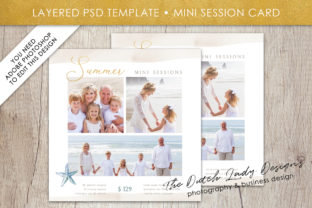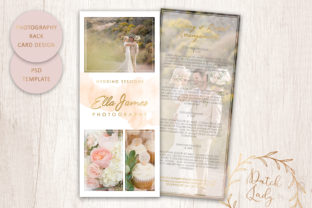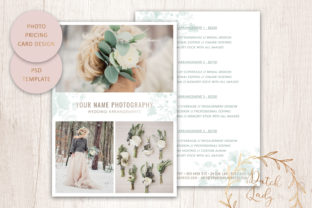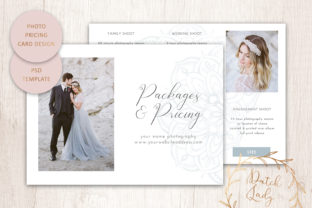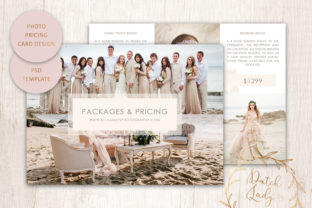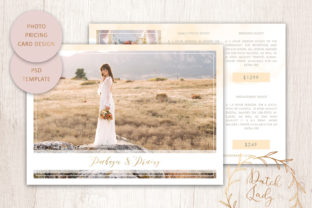
Mastering the PSD Photography Price Card Template 6: A Practical Guide
If you're in the photography industry or run a creative business, having a professional and customizable price card is essential. The PSD Photography Price Card Template 6 offers a powerful solution for presenting your services clearly and attractively. Designed with high-resolution 300 dpi layers, this template allows for complete customization, making it ideal for photographers, freelancers, and small businesses looking to elevate their branding.
Why Choose the PSD Photography Price Card Template 6?
The PSD Photography Price Card Template 6 is more than just a design—it's a tool that can streamline your workflow and enhance client communication. With its US standard size of 7 x 5 inches, it’s perfectly suited for print and digital use. The layered structure ensures that every element—from the background to the banner and borders—can be adjusted to match your brand identity.
One of the standout features of this template is its fully customizable text color, size, and position. This flexibility allows you to tailor the design to your specific needs, whether you're creating a pricing sheet for a photo shoot, a wedding package, or a portrait session. Additionally, the inclusion of font files means you can maintain consistency across all your marketing materials without worrying about missing fonts.
Common Mistakes When Using the PSD Photography Price Card Template 6
While the PSD Photography Price Card Template 6 is highly versatile, users often make mistakes that can impact the final outcome. One common error is not taking the time to understand the template’s structure before making edits. Without familiarity with the layers, you might accidentally alter elements that shouldn’t be changed, leading to confusion or an unprofessional look.
Another frequent oversight is neglecting to check the resolution settings. Although the template is designed for high-quality output, using it at a lower resolution can result in pixelation, especially when printing. Always ensure that your final export is set to 300 dpi to maintain clarity and sharpness.
Some users also overlook the importance of consistent branding. While the template offers full customization, it’s easy to get carried away with too many changes. A well-designed price card should reflect your brand’s voice and visual style without overwhelming the viewer. Striking the right balance between creativity and professionalism is key.
How These Mistakes Can Affect Your Work
Making these mistakes can lead to several issues. For instance, altering the wrong layers may cause misalignment or formatting errors, which can make your price card appear unpolished. Poor resolution settings can compromise the quality of your printed materials, potentially damaging your reputation as a professional photographer.
On the other hand, inconsistent branding can confuse clients and weaken your overall message. If your price card doesn’t align with your website or social media profiles, it may create a disjointed experience, leading to lost opportunities and reduced trust.
Practical Tips to Avoid Common Pitfalls
To avoid these pitfalls, start by thoroughly exploring the template before making any major changes. Take note of the layers and how they interact. This will help you understand which parts are editable and which are locked for design integrity.
Always preview your work at different sizes and resolutions to ensure that everything looks as intended. Test printing a sample copy can save you from costly mistakes down the line. It’s also wise to keep a backup of the original file so you can revert to a clean version if needed.
When customizing your price card, focus on maintaining a cohesive aesthetic. Use the included fonts consistently and choose colors that reflect your brand. Avoid overcomplicating the design—simplicity often leads to better results.
What to Check Before Finalizing Your Design
Before finalizing your PSD Photography Price Card Template 6, take a moment to review the following:
- Resolution: Confirm that your export settings are set to 300 dpi.
- Text Readability: Ensure that all text is clear and legible, even when viewed from a distance.
- Color Consistency: Verify that the colors used in your design match your brand guidelines.
- Layer Organization: Make sure that all your changes are saved and organized within the file.
- Print Quality: If you plan to print, test the design on a high-quality printer to see how it looks in real life.
By checking these details, you can ensure that your final product is both visually appealing and functionally effective.
Conclusion
The PSD Photography Price Card Template 6 is a valuable asset for anyone looking to present their photography services professionally. However, like any design tool, it requires careful use to achieve the best results. By avoiding common mistakes and focusing on practical, thoughtful customization, you can create a price card that enhances your brand and communicates your value effectively.